Sunday With Shanti: A Day in the Life of the Groundskeeper When the Garden Fends for Itself
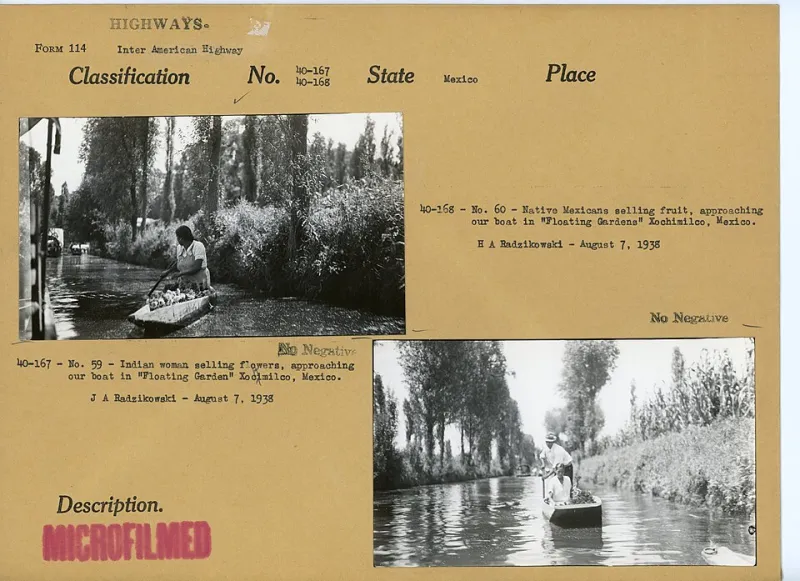
Photo: Department of Commerce. Bureau of Public Roads. 8/20/1949-4/1/1967, Public domain, via Wikimedia Commons
Six A.M., and No One Is Watering Anything
Most guests at the retreat never learn that the frangipani by the gate gets exactly one bucket of water at dawn, or that the tulsi is checked for scale insects every Tuesday. They just notice that everything looks... right. That's Shanti Naik's doing. For six days a week, she's the quiet engine behind the serenity you paid for — the woman in the faded floral dress with clippers in her pocket and dirt permanently under her fingernails.
But every Sunday, the garden fends for itself.
When I asked if I could shadow her on her day off, she laughed the way Goans do when they think you're being politely absurd, then said yes anyway. What followed was the best travel day I've had in years — and a crash course in how someone who cultivates calm for a living actually unwinds.
The Market Before the Mass
By 6:30 a.m. we were at the municipal market in Mapusa, which on a Sunday is less a market than a controlled riot of color and negotiation. Shanti moves through it like a regular — because she is one. Vendors call out to her by name. She inspects ridge gourds with the same forensic attention she gives a diseased hibiscus leaf.
"People think I garden because I love plants," she told me, squeezing a mango with zero hesitation. "I garden because I love days off. You work well so you can rest well."
She bought jackfruit for her sister, chilies for her brother-in-law, and a single stem of marigold that she tucked behind her ear without ceremony. For Americans used to grocery runs as errands, the difference is stark: this was errand as social event, shopping as catch-up, commerce as community. Nobody was in a hurry. Nobody had anywhere else to be.
A Pew, Not a Palm Bench
From the market, we walked to a small white church — one of the hundreds that dot Goa's countryside, leftovers of 450 years of Portuguese influence that make this state feel different from the rest of India. Shanti is Catholic, part of the large Goan Christian community, and Sunday Mass is non-negotiable.
I'll be honest: as a visitor, I expected to wait outside. Instead she waved me in. The church was cool and dim, the ceiling fan turning lazily, the congregation a mix of saris and button-downs. The service was in Konkani, so I understood maybe four words, but I didn't need to understand. There's a universal rhythm to a room full of people resting together.
Afterward, standing in the churchyard among more flowering shrubs — someone clearly tends these too — she said something that stuck with me: "In the garden, I care for plants. Here, I let someone else care for me. That is the whole point of a day off."
Fish Curry, Two Sisters, Zero Phones
Lunch was at her sister Lata's house in Assagao, a fifteen-minute walk down a lane canopied with mango trees. The kitchen smelled of coconut oil, dried red chilies, and kokum — that sour, floral fruit that shows up in nearly every Goan pot.
The fish curry itself was the real thing: mackerel, fresh from the morning catch, in a gravy ground by hand that morning. It came with red rice, a fried papad, and a vegetable dish Shanti's niece made. We ate cross-legged on the floor, off steel plates, and the meal lasted two hours because conversation was the actual point.
Topics covered: a neighbor's wedding, a cousin's job in Dubai, whether monsoon will arrive early, and whether I, a visibly sunburned American, had ever eaten a proper sorpotel. (I had not. This was treated as a small tragedy.)
What there wasn't: phones. Shanti's stayed in her bag the entire time. "The garden is my phone," she said, and her sister threw a piece of papad at her.
What Rest Looks Like When Your Office Is Paradise
Here's what I kept turning over on the bicycle ride home: for most of us in the US, rest is defined as absence — no email, no chores, a beach with a drink. Shanti's day off was full. Full of market chatter, hymns, family, food, a nap on a cot under the ceiling fan, and an evening walk to visit a neighbor's new goat.
Her rest wasn't an escape from her life. It was the same life, at a different tempo.
Maybe that's the real souvenir worth bringing home from a garden retreat in Goa. Not the photos of lotus ponds or the recipe for sol kadhi. The idea that the person who makes beauty for a living doesn't flee from it on Sunday — she just lets it hold her for a change.
The next morning, I watched her arrive at 6 a.m. sharp, bucket in hand, greeting each plant like an old friend. She looked rested. The garden looked glad to see her. And I finally understood what I'd actually booked: not a tranquil property, but a tranquil practice — one that apparently survives even a day off.