Watering Cans Before Wi-Fi: The One Goan Habit I Refused to Leave Behind
Photo: Dhraxze, CC0, via Wikimedia Commons
The most useful thing I brought back from Goa didn't go through customs.
It was a habit. A small, almost embarrassingly simple one, picked up over a week of mornings at a temple garden guesthouse outside Panaji: water the plants before you look at the world.
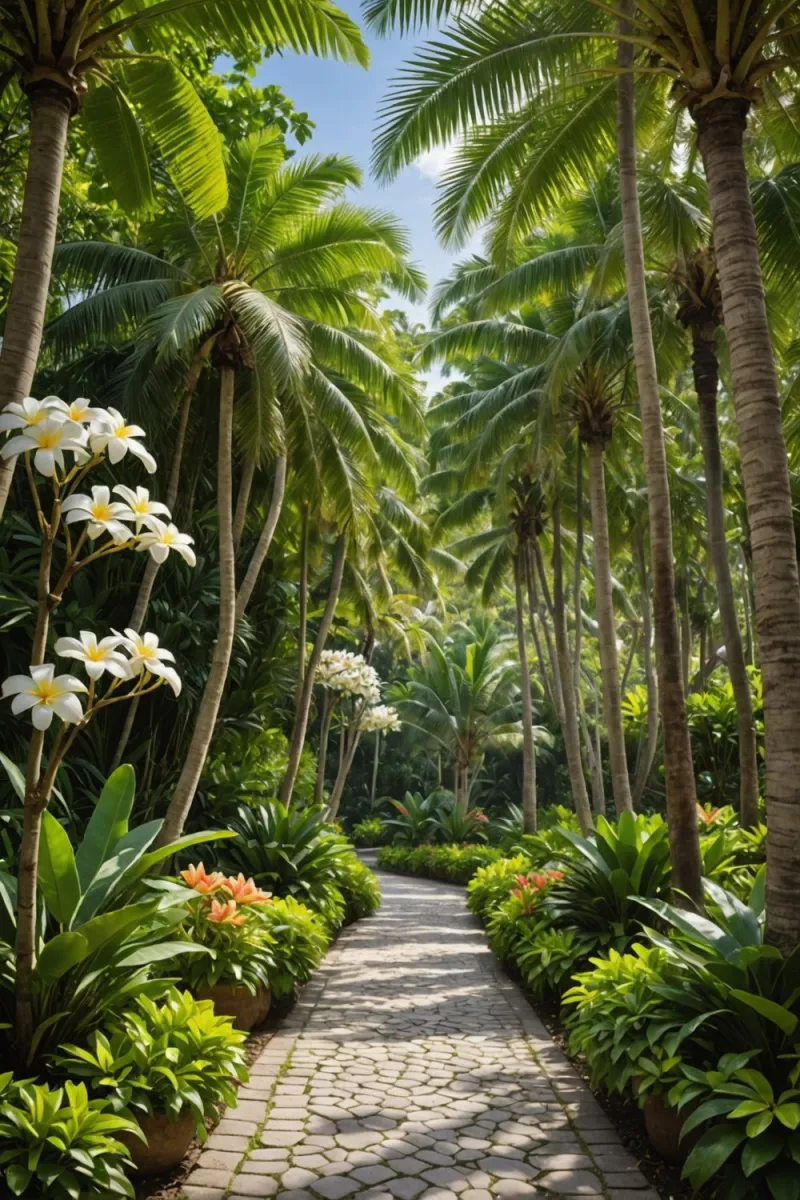
At the retreat, the caretaker — a soft-spoken man named Ravi who moved through the courtyard like the whole place was an extension of his hands — would rise before the heat did, fill a battered brass watering can, and make his slow circuit of the tulsi pots, the hibiscus, the struggling little marigolds by the gate. No phone. No music. Just the sound of water hitting soil and the occasional argument between mynas in the frangipani tree.
I watched him do this for four days before it occurred to me that he wasn't doing it for the plants, exactly. He was doing it for himself. It was a doorway into the day. And when I flew back to Ohio, jet-lagged and dreading my inbox, I decided to see if the doorway worked in a different climate.
The Backyard Version of a Temple Courtyard
Let's be honest about the setting: I have a suburban patio with a fire pit, a few ceramic pots from a big-box store, and a basil plant with a complicated history. This is not a Goan courtyard with a hundred-year-old tulsi at its center. The ritual had to shrink to fit.
Here's what survived the translation:
- Ten minutes, tops. Ravi took forty. I don't have forty. Ten is enough to fill a watering can, water everything, and pull one weed without turning it into a project.
- Phone stays inside. This is the whole ballgame. The plants don't care, but I do. The first ten minutes of the day are the only ones nobody has claimed yet.
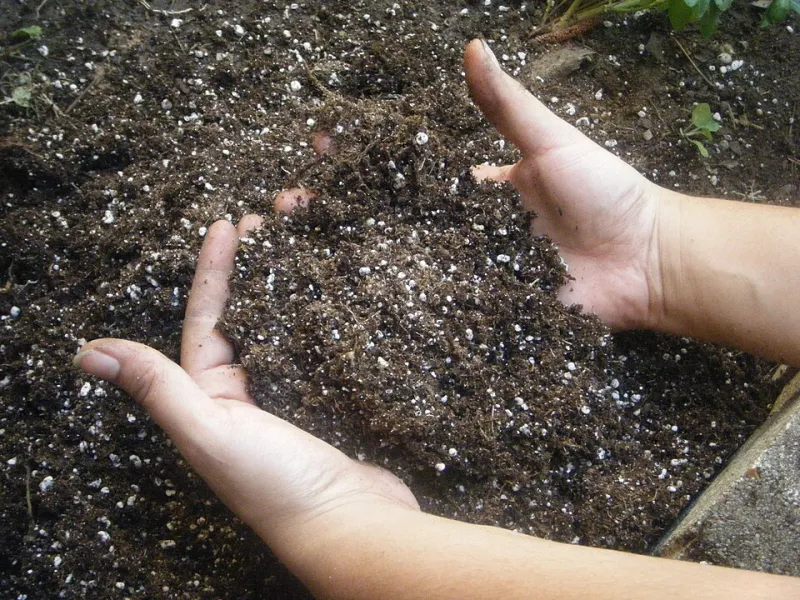
- One plant gets attention, not water. Ravi inspected as much as he watered — turning leaves over, checking soil with a finger. I copied this with the basil. It's remarkable what you notice when you actually look.
- No agenda. Some mornings I water. Some mornings I just stand there with coffee and watch a squirrel make bad decisions. Both count.
The first week felt a little performative, like I was cosplaying a monk on a cul-de-sac. By the third week, I stopped noticing it as a ritual at all. It was just the morning. Which, I suspect, was the point all along.
What Susegad Looks Like in a Time Zone That Runs on Slack
Goans have a word — susegad — that gets loosely translated as contentment or a kind of unhurried ease. On the site we've written about it as a whole philosophy, and it is, but living it from suburban Ohio taught me something the retreat never could: susegad doesn't scale down to a schedule. It scales down to a moment.
You can't do eight hours of doing-nothing on a Tuesday. But you can do ten minutes of watering-without-your-phone, and the difference between the two is smaller than I expected. Both are the same move: choosing one physical, slow, slightly boring task over the scroll. The boring part is the feature, not the bug.
A friend of mine in Denver runs the same routine on a third-floor apartment balcony — three pots of mint, a sad but determined tomato, a watering can that cost eleven dollars. She calls it her "lobby hour," except it happens at 6:45 a.m. and the only lobby is a flock of house finches. The setting barely matters. The sequence does: hands in dirt, eyes off screens, day begins on your terms.
If You Want to Steal the Ritual
A few things I wish someone had told me before I started:
Pick a plant that notices neglect. Basil, mint, or anything on the dramatic side will actually wilt when you forget it, which keeps you honest. A plastic succulent teaches you nothing.
Put the watering can somewhere visible. By the door, not in the garage. Convenience is the difference between a habit and an intention.
Attach it to something you already do. Mine sits between the coffee maker and the commute. Ravi's sat between waking and breakfast. Anchoring is everything.
Let it be imperfect. I've missed mornings. The basil has forgiven me, mostly. The ritual isn't a streak to protect; it's a door you can walk through whenever you remember it's there.
Still Going, Six Months Later
I never did send the postcard I bought in Panaji — the one with the temple pond and the too-blue sky. It's still on my desk, a small monument to my own procrastination. But the habit made it home intact, which feels like the better souvenir anyway.
Some mornings, when the light hits the patio just right and the basil smells like it's showing off, I get a two-second flash of that courtyard: the wet earth, the mynas, Ravi humming to himself somewhere behind the hibiscus. Then a garbage truck rumbles past, and I'm in Ohio again.
But it's a good Ohio. A watered-first Ohio. And honestly? That's the whole trip, condensed into ten minutes a day.