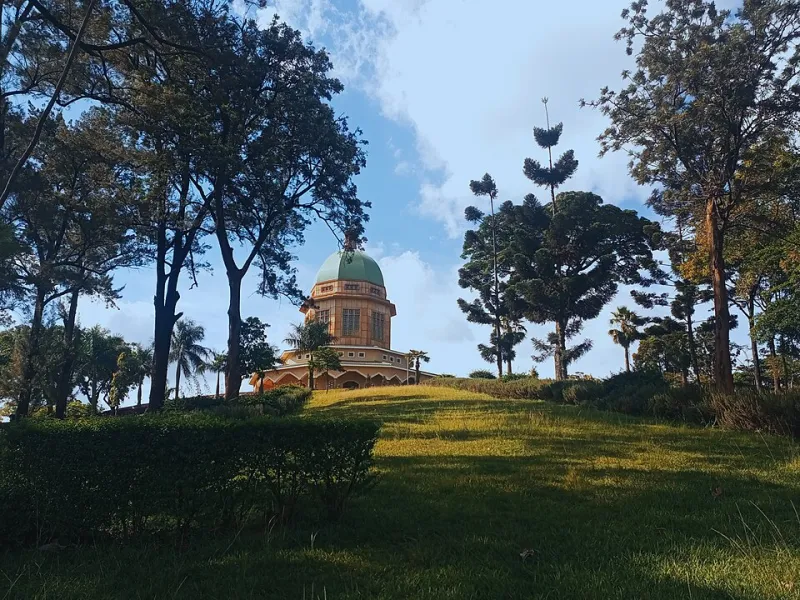
Pulling Weeds at a Goa Retreat Turned Out to Be the Best Spa Treatment I Never Booked
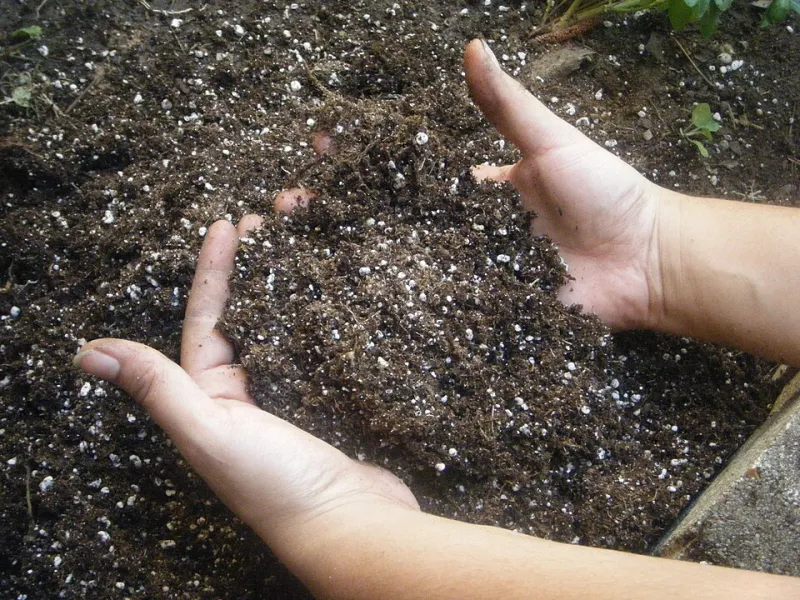
Photo: M Tullottes, Public domain, via Wikimedia Commons
Let me be honest about my expectations going in: I had booked a week at a small garden retreat in Goa with the firm intention of horizontal restoration. Hammock. Book. Maybe a swim. The kind of trip you take when your nervous system has been running on deadline adrenaline since roughly last October.
Then, on the second morning, I noticed a handful of guests crouched around the tulsi beds at 6:30 a.m., laughing with the head gardener, dirt on their knees. I asked the front desk about it. They told me about the garden stay program — one hour of optional gardening each morning alongside the retreat's gardener, before breakfast. No cost, no pressure, no skill required.
I signed up out of curiosity. By day four I was setting an alarm on vacation. Voluntarily.
What the Program Actually Looks Like
Every retreat structures it a little differently, but the shape is consistent: guests meet the gardener in the courtyard as the light comes up, spend about an hour on whatever the garden needs that day, then wash up and head straight into breakfast. That's it. There's no certificate, no curriculum, no "experience" being sold to you.
The tasks are genuinely useful, not decorative. On my first morning I potted tulsi seedlings — a plant Goa treats with real reverence, and one you'll find outside temples, homes, and pretty much everywhere else. The next day it was watering the courtyard beds before the sun got high. Another morning, weeding, which is exactly as meditative as it sounds once you stop performing productivity in your head.
The gardener, who has tended these beds for decades, doesn't lecture. He narrates. You learn which weeds to leave, why the frangipani drops leaves when you overwater it, and why you should never, ever turn your back on a monkey with your harvest basket.
Why This Beats a Spa Weekend (I Know, I Was Skeptical Too)
Here's the thing nobody tells you about pure-rest vacations: doing nothing is surprisingly hard for a certain kind of American brain. I've spent full resort days by the pool feeling vaguely guilty and checking email with one hand. The hammock can start to feel like a deadline of its own.
Gentle, optional labor fixes something. It gives the morning a shape. Your hands are busy, your phone is in the room, and you're doing something small and real — pulling a weed, potting a seedling — that has an observable result. It's the same reason sourdough and raised garden beds got so many of us through the pandemic, except here someone hands you chai afterward and the soundtrack is koels and temple bells.
There's also the access angle. Gardening alongside the person who maintains the space is a completely different relationship to the garden than walking through it as a guest. You notice things. You learn the names of the plants, which means you notice them everywhere else in Goa for the rest of the trip. The temple courtyard you visit that afternoon stops being "pretty landscaping" and starts being legible.
A Rough Itinerary: How to Build a Day Around the Garden Hour
If you're plotting something similar, here's the rhythm that worked for me:
- 5:45 a.m. — Wake naturally, or nearly. Goa mornings are cool enough that this stops being painful by day two.
- 6:30 a.m. — Garden hour. Wear clothes you don't care about; the retreat provides gloves and tools.
- 8:00 a.m. — Breakfast, and I promise the food hits differently when you watered the curry leaf tree an hour earlier.
- Late morning to midday — The hot hours. Read, nap, swim. Zero guilt, because you've already done a thing.
- Afternoon — Head out to a temple, a market, or a quiet beach. You'll find yourself identifying plants everywhere.
- Evening — Back in the courtyard as the garden cools down and the fragrance kicks in.
One full day of this, and you understand why burnt-out travelers are booking working garden holidays instead of spa weekends. The spa treats you for an hour. The garden lets you participate in something that was quietly treating you the whole time.
A Few Practical Notes
Book the garden stay option deliberately. Not every Goa property offers this — look for small boutique retreats that market a garden or working-stay program, and confirm the gardener actually leads it rather than handing you a trowel and disappearing.
Timing matters. Goa is best between November and February. In summer, that 6:30 a.m. hour is the only survivable part of the day anyway, so it works either way — but the winter light is the stuff of postcards.
Bring garden gloves if you're picky. Most places provide them, but if you've got a favorite pair, pack them. Your hands will thank you on day three.
Leave the performance at home. The single biggest mistake I watched other guests make was treating the hour like a photo op. The point isn't the Instagram story of you holding a trowel. The point is that for sixty minutes, nobody needs anything from you except a weed, pulled, roots and all.
I still got my hammock time. I still finished the book. But the hour I remember most vividly from that whole trip is the morning I learned to transplant tulsi seedlings with a seventy-year-old who told me, through the gardener's translation, that plants don't hurry and neither should I.
I've paid a lot more for worse advice.