Breakfast Picked at Six, Eaten at Nine: A Morning in the Courtyard Kitchen of a Goan Retreat
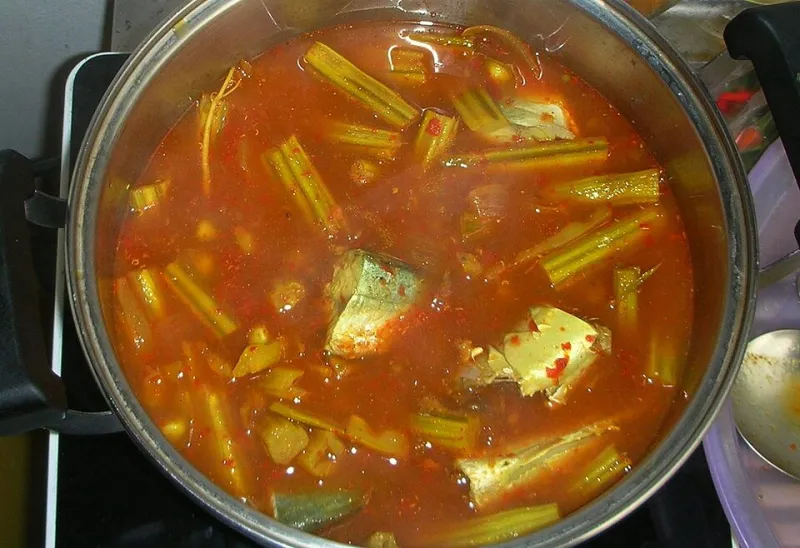
Photo: Xufanc, CC BY-SA 3.0, via Wikimedia Commons
There's a moment, right around 6:15 in the morning at a small guesthouse outside Assagao, when the kitchen technically doesn't exist yet. The stove is cold. The dining veranda is empty except for a squirrel with opinions. And Chef Prachi Naik is already out in the courtyard, barefoot in the dew, snapping a drumstick pod off a tree that most Americans would walk past without a second glance.
"This," she says, holding up the long, knobby pod like a trophy, "is breakfast deciding what it wants to be."
I spent a day shadowing her to understand how Goa's boutique garden retreats actually run a kitchen when the menu isn't written so much as harvested. For US travelers used to "farm-to-table" as a marketing phrase, this is the version where the farm is forty feet from the table and the farmer is also the cook.
The Walk Is the Menu
Prachi doesn't plan meals the way a restaurant chef does. She does a loop of the property every morning — past the tulsi planted near the entry shrine, along the row of banana plants shading the back wall, under the drumstick tree that anchors the whole courtyard.
What she finds dictates everything.
Drumstick pods (moringa, if you've seen it powdered in a wellness aisle back home) get simmered into a sour, peppery sol kadhi-adjacent broth or tossed into a dry curry with fresh coconut. Banana blossom — the purple, artichoke-like flower hanging off the banana plant — becomes a dry bhutti stir-fried with mustard seeds and grated coconut, a dish that eats like a vegetarian take on pulled crab. If the curry leaf tree has produced well, the leaves go into everything, including the morning omelet.
"The garden writes the menu," she shrugs. "I just take dictation."
What a Garden-to-Table Goan Breakfast Actually Is
Forget the continental breakfast buffet. Here's what landed on my plate that morning, in order of how much I'm still thinking about it:
A red rice canjeedo (rice congee), thin and cooling, made with the ukda rice that Goans eat year-round. Mild, almost sleepy, the base note everything else plays against.
Banana blossom bhutti, as described above. The texture is the surprise — meaty, almost smoky, with a slow chili warmth that builds rather than burns. If you've only had plantains, this is a different plant entirely.
A drumstick pod curry, the pods cooked until the interior softens into something between okra and green bean, the broth sharp with tamarind and kokum, a souring fruit you'll taste all over coastal Goa and miss the moment you fly home.
Fresh coconut chutney ground that morning, plus a small bowl of jaggery-sweetened sheera (semolina pudding) because, as Prachi put it, "nobody leaves my table sad."
Tea with lemongrass cut from a clump by the gate — not the bagged stuff, but bruised stalks steeped until the whole veranda smells like a lemon grove.
Total distance traveled by the food: roughly sixty feet. Total time between harvest and plate: about two and a half hours, most of it spent cooking low and slow while the garden finished waking up.
Why the Courtyard Changes the Cooking
Here's what I didn't expect: the garden isn't just an ingredient list. It's a seasoning system.
Curry leaves picked ten minutes before cooking taste rounder and more floral than anything shipped. The coconut is cracked at the last possible second because Prachi insists — and after a side-by-side taste, I believe her — that pre-grated coconut goes flat within the hour in coastal humidity. Even the tulsi, which is grown primarily for the temple shrine and never cooked with, contributes: its presence means no chemical sprays anywhere on the property, which means the herbs taste the way herbs are supposed to.
There's a rhythm to it too. Harvest happens early, before the sun turns the courtyard into a griddle. Cooking happens mid-morning. Eating happens whenever. Nobody at a Goan garden retreat is rushing you through breakfast, and the food reflects that unhurried tempo — everything simmered, steeped, or ground by hand.
How to Find This Experience as a Visitor
If you're planning a Goa trip built around this kind of eating, a few practical notes:
- Choose small over big. Large resorts can't run a true courtyard kitchen; the supply chains don't allow it. Look for guesthouses and boutique retreats with under a dozen rooms and a garden on-site — many advertise their kitchen gardens, and the good ones will happily show you around.
- Ask about the harvest walk. Several retreats let guests join the morning picking round. It's usually free, always early, and it will permanently change how you think about the phrase "fresh produce."
- Say yes to the unfamiliar vegetable. Banana blossom, drumstick pods, raw papaya curry — you can order eggs and toast back home. Order the thing you can't pronounce.
- Eat breakfast slowly. This is the actual point. In Goa, the first meal is a morning activity, not a fuel stop. Give it ninety minutes and a second cup of lemongrass tea.
The Takeaway
By nine that morning, I'd watched breakfast get picked, ground, simmered, and served, and I'd eaten things I couldn't have ordered anywhere in the US — not because they're exotic, but because they simply don't survive the trip. That's the quiet magic of Goa's garden kitchens: the menu isn't a list, it's a place. And for one morning, you get to eat inside it.