Four O'Clock Is the New Golden Hour: Learning to Watch Butterflies in a Goan Temple Garden
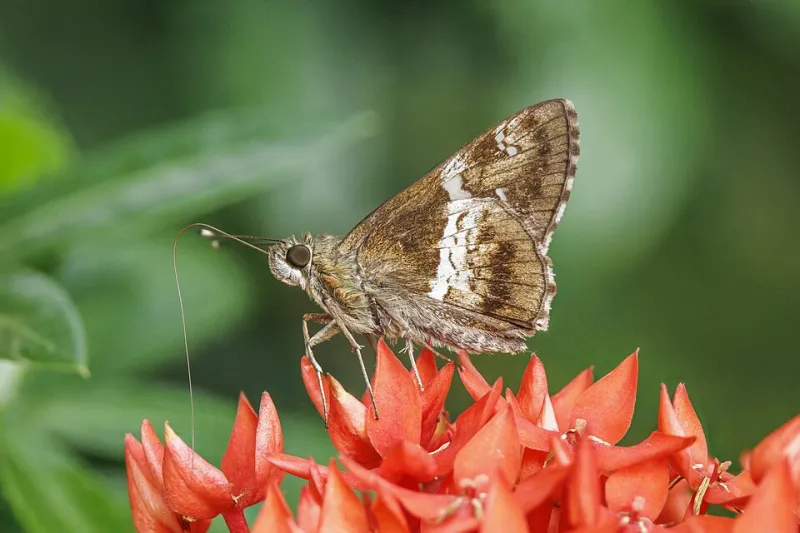
Photo: Charles J. Sharp, CC BY-SA 4.0, via Wikimedia Commons
I'll admit it: I arrived in Goa with a spreadsheet. Color-coded, actually. Beach days, spice plantation tour, old churches in Old Goa, sunset at a beach shack someone on Reddit swore by. If you've ever planned a US vacation the way we plan everything — like a project manager with a deadline — you know the type.
Then, on day three, I sat down on a low stone bench in the garden behind a small temple in North Goa, and I didn't get up for two hours. The spreadsheet could wait. The butterflies were back.
The 4 PM Phenomenon
Here's what nobody tells you about tropical gardens: they run on a schedule, and the afternoon shift is the good one. The midday heat sends pollinators into the shade, the same way sensible people retreat to a ceiling fan. But around four o'clock, when the sun drops low and the light turns honey-colored, everything with wings clocks back in.
Blue tiger butterflies drift in loose, unhurried groups. Lemon pansies snap open and shut on the tips of ixora bushes like tiny warning flags. Dragonflies hover in place with the eerie precision of drones, and bees work the flower beds with a low hum you can feel if you sit close enough and stay quiet.
I noticed it the first day by accident. By the third day, I was planning my afternoons around it — which, ironically, was the only part of my itinerary that stuck.
Why a Temple Garden Is the Best Seat in the House
You don't need a butterfly park or a paid nature walk. Goa's temple gardens are, quietly, the best pollinator habitat on the coast. Traditional temple courtyards are planted with flowering trees — frangipani, crimson hibiscus, the flame-red ixora hedges that butterflies treat like an all-you-can-eat buffet. Nothing gets sprayed, nothing gets pruned into submission, and the whole ecosystem hums along on its own terms.
There's also the matter of pace. Temple gardens are built for lingering. Stone benches face the flowers. Shaded verandas catch the breeze. Nobody's rushing you toward a gift shop. Compare that to the beach strip, where someone is always trying to sell you a jet ski, and the choice gets easy.
A note on etiquette, because it matters: dress modestly if you're inside temple grounds, keep your voice low, and never pick the flowers — they're often there for a reason. Watching is the whole point anyway.
How to Actually Do This (It's Embarrassingly Simple)
If your Goa trip includes even one free afternoon, here's the whole method:
Show up around 3:45. Find a guesthouse or heritage stay with a planted courtyard, or visit a temple garden in the late afternoon when the heat breaks. Sit. Don't walk the perimeter looking for things — the things come to you.
Pick one bush and watch it. This sounds boring and is the opposite of boring. A single ixora hedge will host a rotating cast: a butterfly lands, another chases it off, a bee wedges into a bloom, a sunbird — Goa's jewel-toned answer to a hummingbird — darts in and out. Ten minutes on one plant beats an hour of wandering.
Leave the phone in the bag. Photos are fine, but butterflies read movement like we read headlines. The longest, best sightings I had came after I stopped reaching for the camera. If you want pictures, pick a spot, get settled, and wait for the garden to forget you're there.
Bring a cold drink and zero expectations. Some afternoons are electric; one slow day I counted exactly three butterflies and one very confident cat. That's the deal. The cat was fine.
The Antidote to Itinerary Brain
Look, I love a good plan. But there's a specific kind of exhaustion that comes from treating a vacation like a checklist — the same go-go-go energy we bring to a work week, just with better weather. Pollinator-watching is the exact opposite muscle. It rewards stillness. It punishes hurry. You cannot optimize it, which is precisely why it works.
By my last evening in Goa, the spreadsheet was somewhere in the bottom of my bag, unopened since day three. I was back on the same stone bench, watching a pair of blue tigers spiral around a frangipani tree while the temple lamp-lighter went about his rounds. Four o'clock had become my favorite appointment of the day, and it was the only one I never would have scheduled.
So here's my pitch for your next trip: build the itinerary, sure. Book the good restaurant, do the fort at sunset. But leave one afternoon completely, gloriously empty — and spend it sitting still in a garden, counting wings.
The butterflies will keep the appointment. They always do.