Nine Thousand Miles for Silence: Tuning In to the Sounds of a Goan Garden
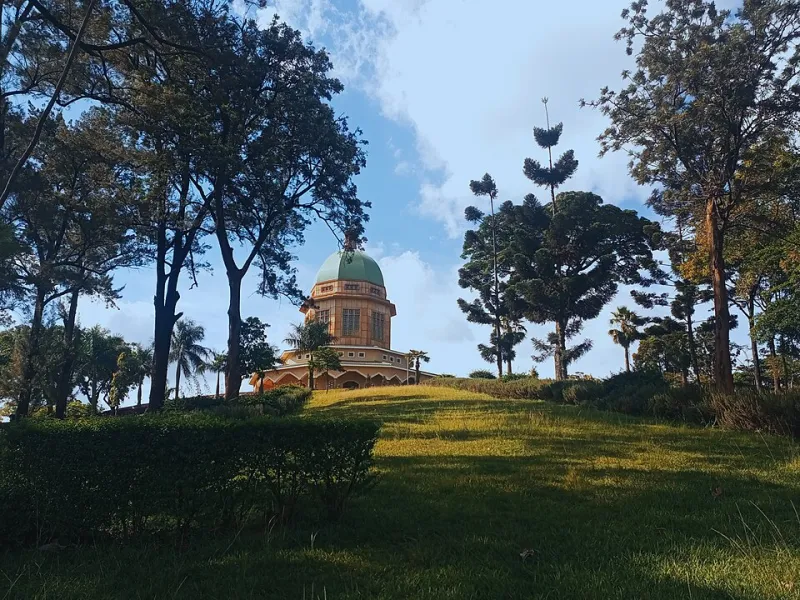
Photo: Alvinategyeka, CC BY 4.0, via Wikimedia Commons
I didn't fly 9,000 miles from Chicago to Goa to hear nothing. That's the honest answer. I went for the food, the light, the beaches everyone posts about. What I came home raving about, though, was something I couldn't have predicted: the sound of a Goan garden at six in the evening, when the temple bells start up and everything else just... steps aside.
If you've spent the last few years marinating in highway hum, HVAC rattle, and the low-grade drone of notifications, stick with me. This one's about planning a vacation around your ears.
The Night the Cicadas Won
My first night at a small courtyard guesthouse in a village outside Ponda, I lay awake convinced something was wrong with the room. No compressor kicking on. No refrigerator. No car passing. Just a wall of insect sound so dense it felt architectural.
By night three, I got it. The cicadas weren't noise — they were the baseline, and everything my brain had been filtering in the U.S. for decades was simply gone. Sleep researchers call chronic environmental noise a genuine health stressor; I call it the reason I needed a vacation in the first place.
Here's what a Goan garden actually sounds like, roughly in order of when you'll meet it:
- Dawn: Crows first, then myna birds, then a distant aarti bell and someone sweeping stone steps with a coconut-broom. Rhythmic, scratchy, weirdly meditative.
- Midday: Heat shimmer is real — the garden goes quiet the way a theater does before the lights dim. Just sprinkler hiss and the odd bee in the ixora.
- Dusk: The bells. Multiple temples, slightly out of sync, rolling across the paddies like a conversation you can't quite follow.
- Rain (if you time it right): Monsoon rain on big frangipani leaves is percussive — plink, plunk, plonk — nature's own lo-fi track.
- Late night: Cicadas. Crickets. Nothing else.
Why Americans Specifically Need This
Let's be real: the U.S. is loud in a way we've stopped noticing. Studies put chronic traffic noise exposure for tens of millions of Americans at levels linked to poor sleep and elevated stress. We've built our vacations around it too — pool DJs, swim-up bars, beach shacks with speakers the size of refrigerators.
Goa offers a different proposition, but you have to choose it. The coastal belt (Candolim, Baga, Anjuna in season) can be as loud as Miami. The interior — Ponda, Quepem, the villages around Divar Island — is a different country acoustically. That's where the temple gardens are, and that's where the silence lives.
How to Actually Find a Quiet Stay
Booking for silence takes a little strategy. My checklist, refined the hard way:
- Search by village, not by beach. Look for stays in or near Ponda, Quepem, Curti, or on Divar Island. If a listing mentions "temple trail" or "heritage village," you're in the right zip code.
- Read reviews for sound cues. Search guest reviews for words like "peaceful," "quiet," "only sound was birds." If reviewers mention music, generators, or road trips, keep scrolling.
- Ask the host one question: "Can I hear traffic from the courtyard?" Any host worth booking will answer honestly and in detail.
- Skip the pool, keep the courtyard. A garden courtyard with a hammock and a tulsi plant will do more for your nervous system than any infinity pool with a sound system.
- Time it for the shoulder season. Early October or late May gives you rain sounds (or post-monsoon lushness) without peak-season party noise.
A Three-Day Silence Itinerary
If you want to build a whole trip around this, here's the skeleton of what worked for me:
Day 1 — Arrive and decompress. Check into an interior village guesthouse. Do nothing but sit in the garden through the dusk bells. Jet lag plus cicadas is a powerful sedative.
Day 2 — Temple mornings. Visit the Mangueshi and Shanta Durga temples early, when the courtyards are being swept and the frangipani hasn't dropped yet. Walk slowly. Listen more than you photograph.
Day 3 — Rain or no rain, stay put. This is the hard one for American itineraries, which are basically cardio. Resist. Spend the day in a hammock with a book. If monsoon showers roll through, even better — you've got front-row seats to the best sound design on the subcontinent.
Coming Home Too Loud
The strangest part of the trip was the reentry. My first morning back in Chicago, I stood in my kitchen genuinely startled by the dishwasher. Two weeks later, the volume crept back. But now I know what quiet costs and what it's worth — and I book accordingly.
Nine thousand miles is a long way to go for silence. It's also, honestly, not far enough from how loud we live. Goa's temple gardens taught me that silence isn't the absence of sound. It's the presence of better ones.