Five A.M. at the Flower Stall: Sitting Down with the Growers Behind Goa's Temple Blooms

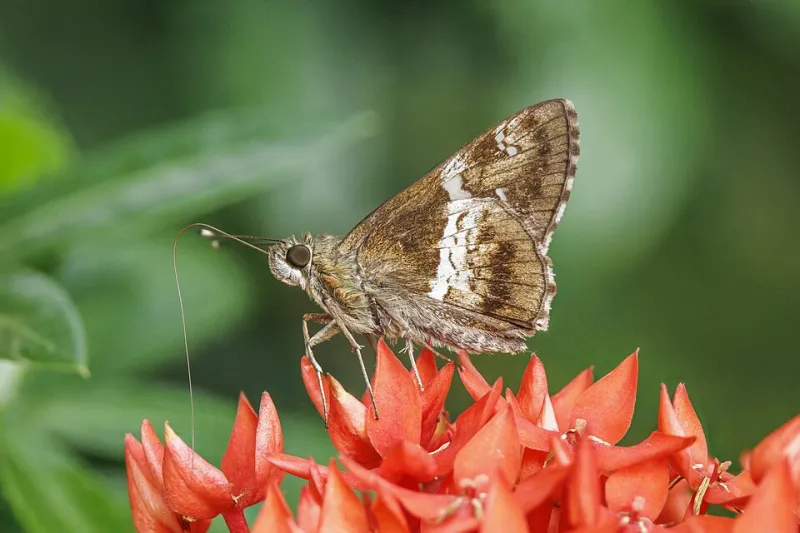
Photo: Buiobuione, CC BY-SA 4.0, via Wikimedia Commons
There's a moment at Goa's morning markets that most visitors never see. It happens around 5:15 a.m., when the shutters roll up and the first baskets come down off the scooter racks — still wet, still cool, still holding the smell of the plots where they were cut an hour earlier.
If you're staying at a garden retreat like ours, you've probably enjoyed the results of this unseen work: the marigold garland by the courtyard shrine, the jasmine floats on your breakfast table, the edible flowers folded into the morning's rice. But the people who grow all of it? They're mostly done selling by the time you've finished your first filter coffee.
I spent a week waking up early enough to fix that, and I came away with a completely different understanding of what "garden-to-table" actually means in Goa.
The Growers Who Plan Around the Temple Calendar
The first thing you learn talking to Goa's market gardeners is that they don't follow the tourist calendar. They follow the festival one.
Sudha, who grows on about a third of an acre outside Margao, walked me through her year the way an American farmer might talk about planting corn and soybeans in rotation. Marigolds peak for Ganesh Chaturthi. Jasmine has to be ready in volume for the spring festivals. There are slow weeks and there are weeks when she and her family string garlands until midnight.
"The temple tells us what to plant," she told me, laughing. "Not the other way around."
It's a mindset that took a while to sink in. Back home in the States, we think of flowers as decoration — something you grab at the supermarket on a whim. Here, a marigold has a job. It's an offering. And the growers treat their work with the seriousness of any craft supplier: their customers are priests, temple committees, courtyard kitchens, and increasingly, the boutique guesthouses that want fresh flowers for their morning rituals.
What the Bees Have to Do With It
One grower I met — everyone just called him Bapu — sells almost exclusively open-pollinated, single-petal varieties. When I asked why, he pointed at the pollinators working his stall's display bucket.
Dense hybrid blooms, he explained, are beautiful but often sterile or hard for bees to access. The older varieties his grandmother grew — the loose, almost scruffy marigolds and the intensely fragrant jasmine — feed the insects all season long. He plants for the bees first, and the temples get the surplus.
It's a philosophy that resonates with anyone who's watched the pollinator conversation grow back home, from native plant societies in Ohio to the "leave the leaves" movement on every gardening Instagram account. Goa's small growers arrived at the same conclusion generations ago, not through advocacy but through observation. You don't argue with the bees. You plant what they like.
The Guesthouse Connection
Here's the part that surprised me most: several of the growers count local retreats and boutique stays among their steadiest customers.
A small guesthouse with a temple-inspired courtyard needs a consistent weekly supply — garlands for the shrine, flowers for the breakfast tables, blooms for the guest rooms. That's a standing order, every week, rain or shine. For a grower working a family plot, that reliability matters more than any single big sale.
Some of these relationships go back decades. One guesthouse owner told me she's been buying from the same family since she opened, and that when her jasmine supplier's daughter got married, the whole staff went to the wedding. When you book a stay at a place like that, you're not just buying a room. You're plugging into a supply chain that's essentially a friendship network.
How to Show Up Right (and Not Just Snap Photos)
If you're an American traveler and this all sounds appealing — good. It should be. But the pre-dawn market has its own etiquette, and the difference between a welcome guest and an annoyance is mostly a matter of small things.
Go early, but not too early. Arriving at 5 a.m. sharp is fine. Arriving at 4:30 while people are still setting up is not. Watch first; the rhythm will tell you when it's appropriate to approach.
Buy something before you photograph anything. This is the big one. A fifty-rupee string of jasmine costs you less than a vending machine soda, and it transforms your status from observer to customer. Ask before taking pictures of people, especially women working the stalls, and accept a no gracefully.
Learn three words. "Dev boro dis dium" (thank you in Konkani) goes further than you'd think. So does simply holding out your hand and smiling.
Ask about the flowers, not just the price. Growers are proud of their work. Ask what's in season, what's used for what, what's grown for fragrance versus color. Most people light up when a visitor treats their crop as a craft rather than a prop.
Don't haggle over garlands. Prices on temple flowers are often already set with the temple economy in mind. Bargaining hard over a two-dollar garland isn't a savvy-traveler move; it's just unpleasant.
Bringing the Ritual Home
The best part of my market mornings wasn't the photos (though I got a few). It was realizing that the whole system — grower, flower, offering, breakfast table — is one continuous loop, and that a garden retreat is just a place where the loop is visible.
You can carry a piece of it home. Plant single-petal marigolds in a sunny pot on your porch. Put a bowl of floating flowers on your kitchen table the way a Goan courtyard does. Buy from your local farmers market at 7 a.m. instead of 11, and talk to the person behind the table.
Sudha put it best as I was leaving her stall one morning, the sun just clearing the rooftops. "The flowers don't care who buys them," she said. "But they can tell if you're in a hurry."
Worth waking up early for, that advice.