Linen, Cotton, and a Little Respect: How to Dress for a Stay in a Goan Temple Garden

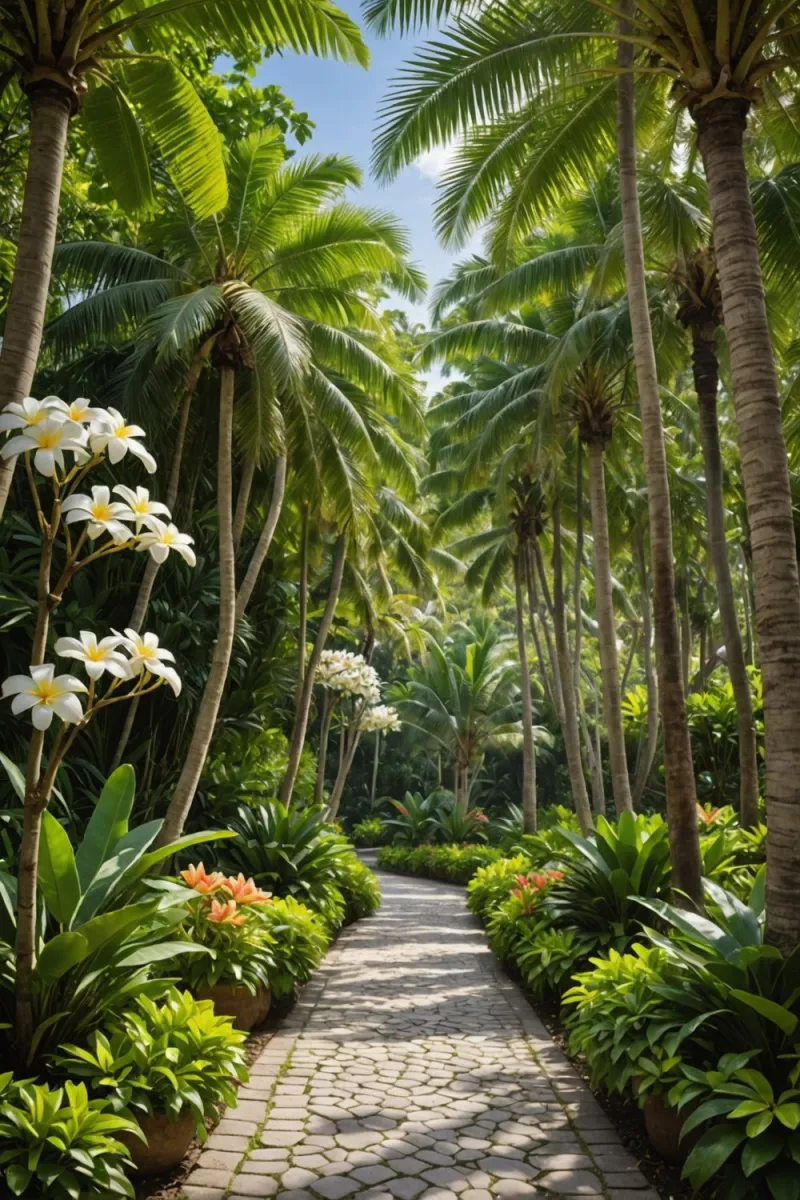
Photo: Jean-Christophe Destailleur, CC BY-SA 3.0, via Wikimedia Commons
I'll admit it: my first Goa packing list was a disaster. It read like a Miami vacation crossed with a hiking trip — quick-dry everything, neon running shorts, a tank top with a slogan I won't repeat here. Then I arrived at a small guesthouse outside Margao, dropped my bag in a room that opened directly onto a temple garden, and realized within about ten minutes that I had dressed myself for the wrong vacation entirely.
If you're booking a stay at a boutique Goan retreat where the grounds blur into temple space — and many of the best ones do — your wardrobe deserves a second look. Not because anyone will scold you, but because dressing well for these spaces is its own quiet pleasure. Here's what I've learned since.
Start With the Fabric, Not the Fashion
Goa's humidity doesn't care about your outfit planner. What it rewards is natural fiber. Cotton, linen, and khadi — the handwoven cloth Gandhi made famous — breathe in ways synthetic performance fabric simply doesn't. A loose cotton kurta or a linen shirt that you'd call "beachy" back in the States is just everyday dress here.
You can find beautiful, inexpensive cotton pieces at local markets in Mapusa or Panaji for less than the cost of an airport sandwich. Many travelers buy a week's worth on day one and leave room in the suitcase going home. Consider this your permission slip to pack light and shop local.
Why White and Muted Tones Matter
In Goa's sacred gardens, color isn't neutral — literally. Bright floral offerings, marigold garlands, and painted temple facades carry the visual energy of these spaces. Visitors traditionally wear white or soft, muted tones: undyed cotton, pale greys, earthy beiges. It's a form of visual humility, a way of not competing with the space itself.
There's a practical bonus, too. White reflects heat, and a pale cotton outfit can feel several degrees cooler than dark synthetics at two in the afternoon. The tradition and the comfort point in the same direction, which is often how good customs work.
You don't need to dress like you're in a laundry detergent ad. Muted sage, sand, dusty blue — anything that whispers rather than shouts — fits the register. Save the tropical prints for the beach days.
Shoulders, Knees, and Shoes: The Practical Rules
A few conventions apply across most Hindu temple grounds, and they're easy to honor:
- Cover shoulders and knees when entering the temple itself. A light cotton scarf or sarong for women, and long shorts or trousers for men, covers you without any fuss.
- Shoes come off before stepping inside. Slip-ons beat lace-up sneakers every time — this alone should reshape your shoe selection.
- Hats off inside the temple, so pick styles you can stash in a tote.
- Leave the statement jewelry at home. Simple is the vibe, and flashy pieces can read as out of step with the setting.
Ask your hosts if you're unsure. Every guesthouse I've stayed at was genuinely happy to explain, and the question itself signals the kind of guest people want to host again.
The Unexpected Part: How You Dress Changes How You Move
Here's the thing nobody tells you. After three days in loose white cotton, walking slowly and barefoot across cool courtyard stone, something shifts. You stop striding. You start drifting.
There's a reason monks and gardeners and grandmothers all over the world arrive at similar wardrobes: the clothes shape the pace. A rustling nylon jacket and structured hiking sandals say "conquer the trail." A soft kurta and bare feet say "sit awhile under the frangipani tree." On a garden retreat, the second outfit is the point of the trip.
I noticed it most at dusk, when the garden lamps came on and I'd wander out in the same pale cotton I'd worn all day, no costume change required. Back home, my closet is segmented into work clothes, gym clothes, lounge clothes. In Goa, one honest outfit carried me from dawn birdsong to dinner on the veranda. That simplicity started to feel like a luxury no resort pool could match.
A Quick Packing List for the Temple-Garden Traveler
If you want the short version, here's what earned its place on my last trip:
- Two or three loose cotton or linen outfits in white or muted tones
- One pair of slip-on sandals you can shed in two seconds
- A light scarf or sarong (doubles as shoulder cover, picnic blanket, and pillow)
- A wide-brimmed hat for the midday sun
- Modest sleepwear — thin walls and open verandas are part of the charm
- One slightly dressier cotton set for evenings out in Panaji or Assagao
That's it. Everything else, you can buy there, better and cheaper.
Dressing as a Form of Listening
I've come to think of temple-garden etiquette less as a list of rules and more as a way of listening. The space asks something of you — quiet colors, covered shoulders, slower steps — and answering that request is how the place opens up. The guests who lean in always seem to get more out of a week in Goa than the ones who treat the temple garden as a nice backdrop for photos.
Pack light, dress soft, and let the garden set the tone. Your Instagram can survive without the neon.