Bright Petals, Quiet Meanings: Meet the Flowers Goa Grows for Its Gods (and Its Breakfast Tables)
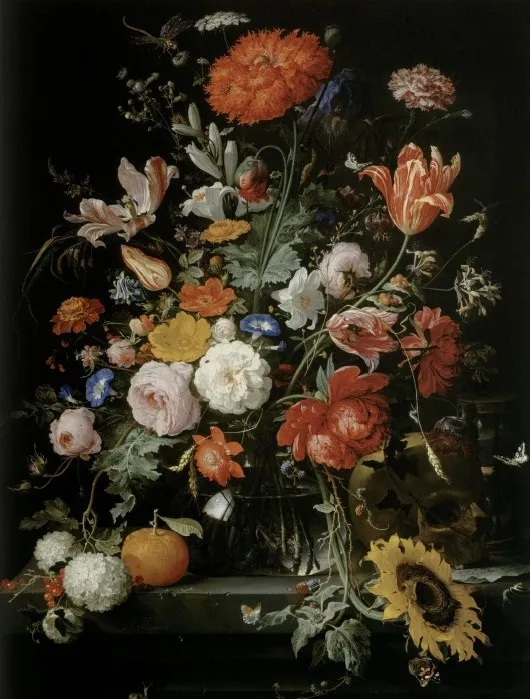
Photo: Abraham Mignon, Public domain, via Wikimedia Commons
The first thing I noticed at my guesthouse in Assagao wasn't the carved wooden door or the courtyard well. It was a brass bowl on the breakfast table, holding two orange marigold heads and a single red hibiscus, floating in water. I assumed it was a stylist's touch — the kind of thing a boutique hotel in Santa Fe or Savannah might do with succulents or magnolia cuttings.
It wasn't styling. It was a habit so old nobody there could tell me when it started. In Goa, the flowers you grow in your garden are, in large part, the flowers you offer. And the guesthouses that understand this — the good ones, the serene ones — don't so much decorate with them as continue a practice.
The Garden That Grows for the Shrine
Walk behind any traditional Goan home or temple courtyard and you'll find a working garden that looks nothing like an ornamental border. It's practical, almost plain: rows of marigolds, a hibiscus shrub with scarlet blooms, a jasmine vine climbing a bamboo frame, maybe a rakta chandan or a oleander hedge. These aren't for admiring. They're for cutting — daily.
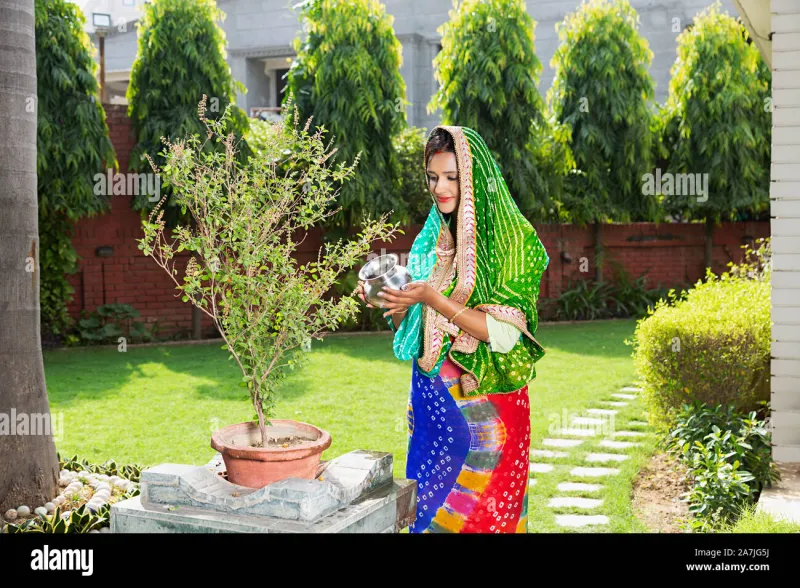
The logic is beautiful and very Goan: the offering should come from your own soil. Buying flowers from a shop for a temple offering has always been the fallback, not the ideal. So the garden is arranged around giving. The tulsi plant in the courtyard gets its own daily flowers. The household shrine gets the rest. What's left over goes on the table, in the hair, around the neck of a guest.
When a boutique retreat here plants a "temple garden," it's recreating this economy. The flowers you see blooming along the walkway are, quite literally, tomorrow's welcome garlands.
Why These Flowers, Specifically
There's a grammar to it. Marigolds — gülabi-orange, dense as pom-poms — are the workhorse of Goan offerings. They hold their shape, they're cheap to grow, and their color reads as auspicious everywhere in India. Hibiscus, deep red with that dramatic protruding center, carries particular weight in Devi worship; you'll see it offered at shrines to the goddess in her fierce forms. Jasmine, especially the small night-blooming variety, is strung into gajra garlands for hair and doorways. Crossandra, a spiky orange-pink flower that blooms relentlessly through the warm months, fills the gaps. And then there's the frangipani — the temple tree itself, whose fallen white-and-yellow blooms are considered pure enough that the tree often stands at the temple entrance, dropping its own daily offering onto the ground.
Each of these shows up at a well-run guesthouse without explanation: marigold heads in the water bowls, jasmine strung along the veranda, hibiscus in the breakfast nook. Once you know the vocabulary, the whole property starts reading like a quiet devotional text.
A Traveler's Field Guide: Five Blooms to Recognize
1. Marigold (Zendu) — The round, ruffled orange and yellow flower sold in loose heaps at village markets. If you see a woman threading them on a string at 6 a.m., she's making a garland, not a centerpiece.
2. Hibiscus (Dosni) — Big, single red blooms on a woody shrub. Picked at dawn because they wilt by afternoon. If a red flower is floating in your welcome drink's bowl, this is it.
3. Jasmine (Mogra) — Tiny white buds, intensely fragrant, sold in small cones of green leaf rather than vases. The scent at dusk near a courtyard wall? Probably this.
4. Crossandra (Aboli) — Orange-pink, fan-shaped, almost weed-like in its abundance. The flower most likely to be tucked behind an ear.
5. Frangipani (Rai) — White petals with a yellow center, fallen rather than cut. You'll smell it before you see it, especially in temple courtyards after rain.
Buying Flowers From a Village Seller: A Short Etiquette
Goa's flower sellers — many of them women with bicycles and cane baskets — are part of the morning landscape in villages like Siolim, Aldona, and Moira. If you want to buy a small string of marigolds or a cone of jasmine, a few things help:
- Go early. Flowers are a morning trade. By 10 a.m. the best garlands are gone.
- Buy small and don't haggle hard. A garland costs less than a cappuccino back home. This is someone's daily livelihood, not a flea market negotiation.
- Don't ask for a bouquet. You'll get a strung garland or a loose pile. That's the format; work with it.
- Handle with intention. These flowers are grown for offering. If a seller sees you treating them carelessly, you'll notice the difference in how the next customer is served.
Bringing the Practice Home
You don't need a courtyard in Assagao to borrow the idea. A shallow brass or ceramic bowl, an inch of water, and three marigold heads from the grocery store does most of the work. The point isn't the flower — it's the ritual of putting something living and bright on the table before the day starts.
That's the thing Goan guesthouses understand that most hotels don't. A flower on the breakfast table isn't decor. It's a small, daily acknowledgment that the day deserves a little reverence. And once you've eaten breakfast that way, it's hard to go back to a bare table.