The Trees They Won't Touch: Goan Gardeners on the One Plant They'd Never Cut

Photo: elderly Indian gardener tending tulsi plant courtyard Goa jackfruit tree, via c8.alamy.com
Ask a Goan gardener to name their favorite plant and you'll get a polite shrug. Ask which one they'd refuse to cut down, ever, and the room changes. Hands pause mid-pruning. Stories start.
I spent three weeks asking that question in backyards, temple courtyards, and guesthouse grounds from Aldona to Palolem. The answers were never really about plants.
The Tulsi in the Corner Nobody Builds Over
Shashikala, who keeps the courtyard garden at a small guesthouse near Mapusa, didn't hesitate: the tulsi.
"My mother watered it every morning before she made tea. I do the same. My daughter will too, even though she lives in Toronto now — she calls and asks, is the tulsi okay?"
The tulsi vrindavan in her courtyard is older than the house around it. When the family renovated a few years back, the architect worked around it. "You build the home around the tulsi," she shrugged, "not the other way." There's a whole generation of Goans abroad who measure home by whether that little basil plant is still being tended.
The Jackfruit That Feeds Nobody and Everybody
At a temple garden outside Ponda, the young priest pointed at a massive, slightly crooked jackfruit tree. "That one. It was planted by the priest before me, who planted it from a fruit his grandmother gave him."
The tree's fruit mostly goes to neighbors and the occasional cow. But here's the thing — it was planted by someone who tended this same ground, said the same prayers, swept the same courtyard. "When I look at it, I see him," the priest said. "When someone after me looks at it, they'll see me. It's a letter to the future."
I keep thinking about that phrase. A letter to the future, written in wood.
The Coconut That Pays the Bills and the Blessings
Dinesh, a caretaker at a heritage homestay in South Goa, picked the coconut palm — but not for the postcard reason.
"People think coconut is just scenery. But that tree is my salary. The oil, the water, the jaggery my wife makes. When my daughter joined college, two palms paid the fees." He laughed. "Also, you cannot cut a coconut tree without permission and paperwork and the whole village asking questions. Goa protects its coconuts by law and by gossip."
He's right about the law, by the way — Goa has actual regulations restricting the cutting of coconut palms, which makes his joke about gossip only half a joke.
The Frangipani Nobody Planted
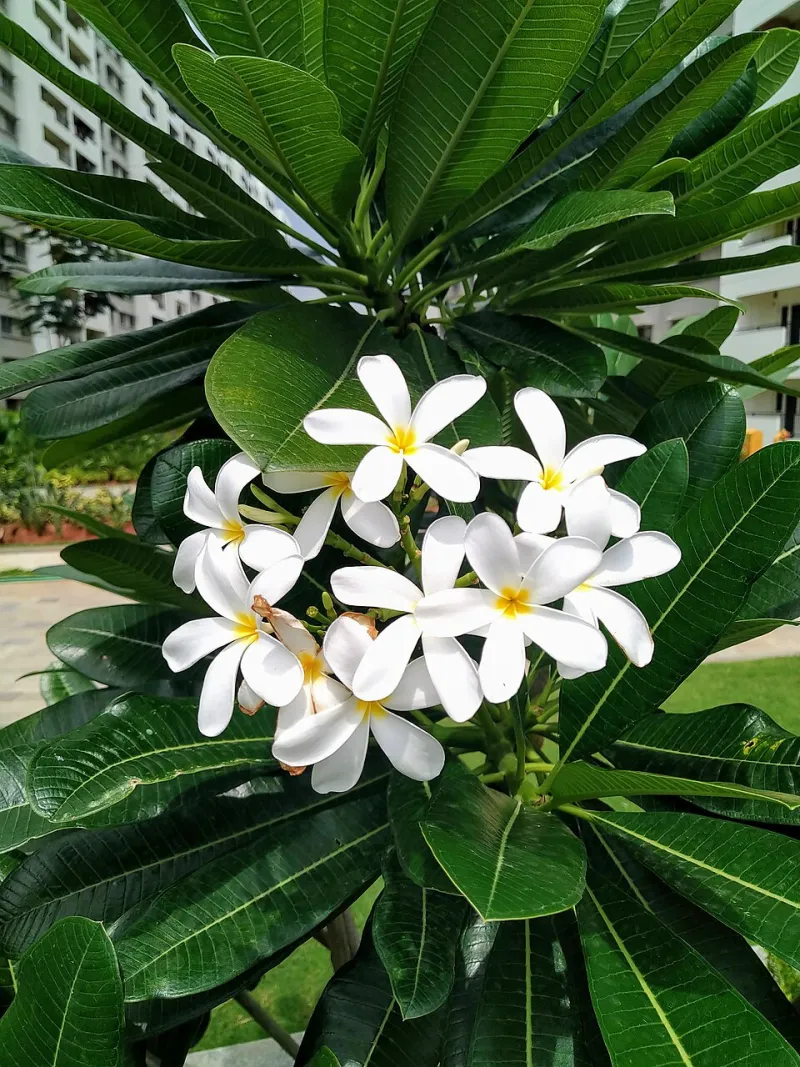
My favorite answer came from Cecilia, an elderly woman whose front garden in Siolim overflows with frangipani — the temple flower, plumeria, the one that smells like every Goan dawn.
"I did not plant that tree. It came on its own, from a seed maybe carried by a bird. My husband said, cut it, it's in the wrong place. Then he died the same year." She touched the trunk. "Now it blooms every April, near his birthday. It stays where it wants to stay."
I didn't ask a follow-up question. Some answers complete themselves.
What This Means for Your Stay
If you're booking a garden guesthouse in Goa, here's a travel tip that won't show up in any listing: ask your host which plant they'd never cut. It's a better conversation-starter than any guidebook question, and you'll learn more about the place in five minutes than a walking tour could teach you.
Then find that plant. Sit near it. In a garden where every frond has a reason, the non-negotiable ones are where Goa keeps its heart.