Grow a Goan Courtyard on Your Windowsill: A Spice Garden Primer
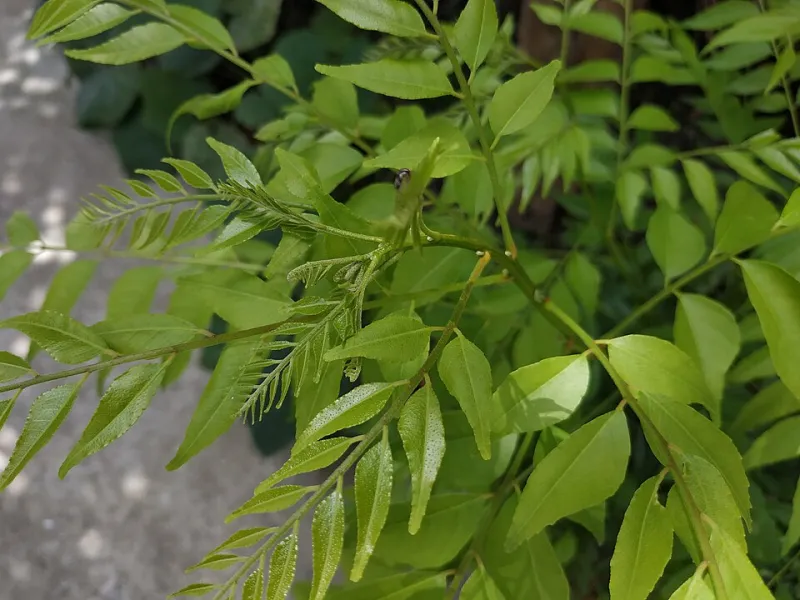
Photo: Nirajan pant, CC BY-SA 4.0, via Wikimedia Commons
Walk through the courtyard of an old Goan temple or a traditional family home and you'll notice something: nothing is decorative by accident. The tulsi in its raised pedestal is sacred. The jasmine trained along the wall gets strung into garlands. The curry leaf tree in the corner exists because someone's grandmother needed curry leaves every single day.
These gardens are designed as much as the buildings around them — geometry, fragrance, and function working together. And here's the good news for American travelers who come home from Goa wanting more: the core of that planting scheme is surprisingly growable in a US apartment or suburban yard.
The Holy Trinity of a Goan Courtyard
Three plants do most of the work in a temple garden's kitchen, and all three can live in containers.
Curry leaf (Murraya koenigii). The backbone of Goan cooking. The leaves are torn and dropped into hot oil at the start of nearly every tempering — that sizzling base of mustard seeds, dried chilies, and aromatics that begins a dal or a fish curry. Fresh curry leaf tastes citrusy and nutty and completely unlike the dried twigs sold in spice jars. The plant is a small tree in Goa but stays a tidy potted shrub elsewhere. It wants the sunniest window you have, water when dry, and patience. Find one at an Indian grocery area plant shop or online specialist nurseries; avoid big-box stores, which rarely stock it.
Lemongrass. Possibly the easiest of the three. Buy fresh stalks from any Asian grocery with roots intact, put them in water, and they'll sprout within two weeks. Pot them up and they'll multiply into a grassy clump. The base of the stalk goes into curries and teas; the leaves make an excellent infusion on their own.
Jasmine (especially Arabian jasmine). In Goa, jasmine is the garden's perfume and its ritual object — flowers picked at dawn for garlands at the shrine. Arabian jasmine (Jasminum sambum) grows well in a bright pot, blooms through summer, and fills a room with scent in the evening. It won't survive a hard frost outdoors, so plan to bring it inside in colder zones.
Supporting cast, if you have room: turmeric and ginger (plant a sprouted grocery-store rhizome and harvest in eight months), holy basil or tulsi, and a small chili plant, because Goan food without chilies is a rumor.
Sourcing and Care, Briefly
The trick to keeping these tropical plants happy in most of the US is simple: think of them as guests from a warmer climate. Bright light, well-draining soil, no cold drafts, and no overwatering — more houseplants die of kindness than thirst. A south-facing window covers most needs; a grow light covers the rest. If you're in a warm-winter state like Florida, Southern California, or Texas, curry leaf and lemongrass can go in the ground and thrive.
Two Recipes to Earn Your Harvest
Everyday Goan Tempered Dal: Cook one cup of red lentils with turmeric and water until soft. In a separate pan, heat two tablespoons of coconut oil, add a teaspoon of black mustard seeds, and when they pop, add ten fresh curry leaves and one dried red chili. Pour this sizzling mixture over the dal, salt it, and finish with a squeeze of lime. This is the dish that makes you understand why the curry leaf tree earns its courtyard spot.
Lemongrass-Ginger Tea: Bruise one lemongrass stalk (use the base, save the leaves) with the back of a knife, simmer it with a few slices of ginger in two cups of water for ten minutes, strain, and add honey. It's the standard remedy for everything in a Goan household, and it works.
Bring the Design Home Too
The Goan courtyard isn't just a plant list — it's a layout philosophy. Everything edible or fragrant sits close to the kitchen door; everything sacred sits at the center. Recreate a miniature version: a cluster of pots near your brightest window or back door, one anchoring plant (the curry leaf, naturally), a jasmine at nose height, and something you use weekly. Arrange them at varied heights rather than in a row — temple courtyards are layered, not lined up.
You won't recreate the sound of rain on a tiled roof or the light through a frangipani tree. But on a winter evening in Chicago or Denver, when you tear a fresh curry leaf into hot oil and the smell fills the kitchen, you'll get a small, honest piece of it. That's what those gardens were always for.