Rain Season, Right Season: What Goa's Monsoon Actually Feels Like
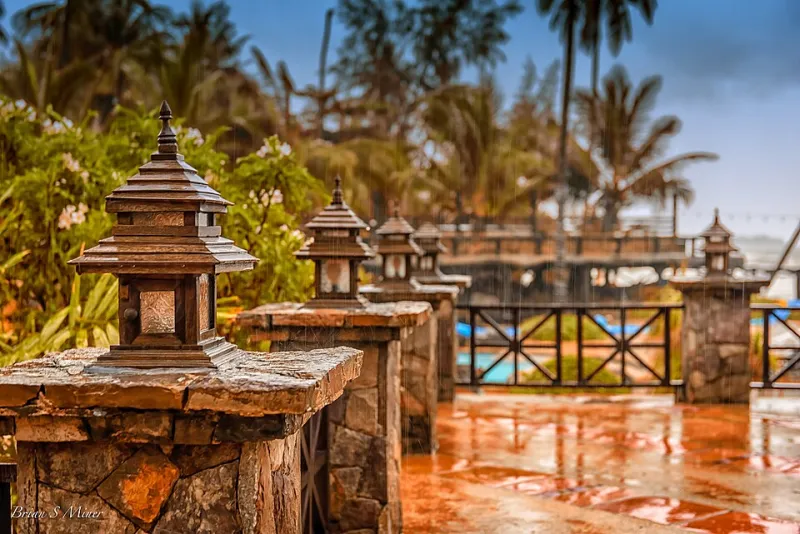
Photo: cloud.shepherd, CC BY 2.0, via Wikimedia Commons
There's a moment in June when Goa collectively exhales. The last charter flight leaves, the shacks fold their umbrellas, and the first monsoon clouds roll in off the Arabian Sea like they've been waiting for permission. Locals will tell you this is when Goa belongs to Goans again. After three visits, I'd add this: it's also when it belongs to you — if you're willing to get a little wet.
Most Americans plan Goa trips around December and January, chasing the dry-season sun the guidebooks default to. What the guidebooks don't mention is that you'll share that sun with peak crowds and peak prices. The monsoon months, roughly June through August, flip the equation entirely.
The Garden Argument
Here at Temple Garden Goa, we're obviously biased, but the case for green season starts with the gardens themselves. Goa's temple courtyards and retreat gardens — the frangipani alleys, the tulsi beds, the jasmine climbing every available wall — are living things, and the monsoon is their growing season. Visit in January and you'll see a beautiful garden. Visit in July and you'll see a jungle barely holding itself back.
Rain transforms these spaces in a matter of weeks. Moss softens the laterite stone around courtyard shrines. The frangipani trees, stripped bare in the dry heat, explode into leaf. Everything smells like wet earth and crushed lemon grass, and the light after a storm — that low, silvery, post-rain glow — is the kind photographers pay for.
If serenity is what you came for, this is it, turned up to eleven.
What a Retreat Stay Looks Like in the Rain
Let's manage expectations first: this is not beach-lounging weather. Some days the rain is a polite drizzle; other days it's a full cinematic downpour that turns the road outside into a river. That's the point. A monsoon stay at a garden retreat runs on a different rhythm than a high-season holiday.
Mornings might mean yoga under a covered pavilion with rain drumming on the tiles — genuinely one of the most meditative soundtracks on earth. Midday is for the spa, an Ayurvedic massage, or a long lunch of fish curry rice while the afternoon storm rolls through. When the rain breaks, you walk. The gardens are at their most fragrant immediately after a shower, and the footpaths through the paddy fields behind the retreats turn emerald.
Evenings are candlelit and slow. Power flickers occasionally — part of the charm, mostly. You read. You sleep early, to actual rain sounds, not an app.
A Green Season Week, Roughly Sketched
- Days 1–2: Arrive and settle. Fly into Goa via Mumbai, transfer to your retreat in the interior — around Ponda or the foothills near the spice plantations — where the rain scenery is at its best. Unpack. Nap. Let the pace reset.
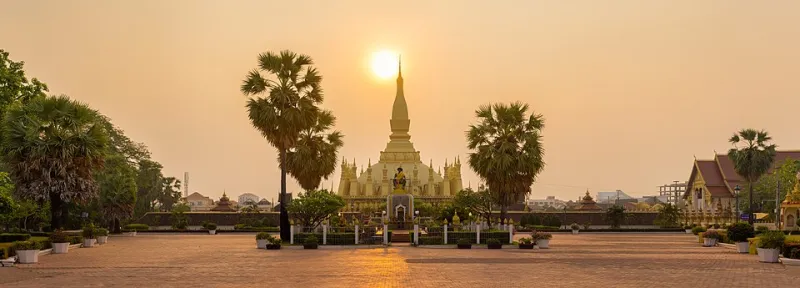
- Days 3–4: Temple country. The great temples around Ponda, like Mangueshi and Shanta Durga, are dramatically atmospheric in the rain, with mist in the courtyards and almost no other visitors. Go in the morning, return for a hot lunch and a nap.
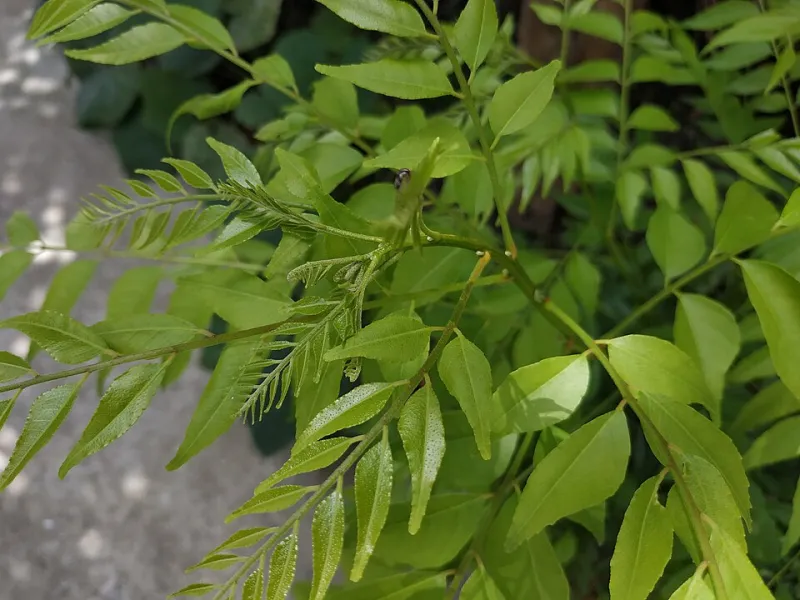
- Days 5–6: Spice and waterfalls. Monsoon is when Goa's spice farms and the Dudhsagar Falls region are at full power. A guided walk through a working spice garden doubles as a masterclass in the curry leaf, cardamom, and vanilla growing around you.
- Day 7: One beach day, on purpose. Yes, it's raining at the beach. Go anyway. A monsoon beach in Goa, all thunderclouds and empty sand, is a different and stranger pleasure than the postcard version.
Why This Works for the American Schedule
June through August lines up neatly with when US schools are out and when American wellness travel peaks anyway — think of it as your summer reset, but with better food and cheaper rooms. High-season rates drop 30 to 50 percent, retreats that are booked solid in January have open calendars, and you'll trade the January crowds of the Anjuna flea market for a courtyard where the only sound is rain.
A few practical notes: book a place with covered walkways and a generator, pack quick-dry clothes and one pair of shoes you don't love, and accept that some plans will be rained out. That's not a bug. The whole idea of a monsoon retreat is that you stop trying to optimize every hour.
The dry season gives you Goa at its most photogenic. The monsoon gives you Goa at its most alive. Choose accordingly.