Forty Years of Mornings: The Man Who Tends Goa's Temple Gardens

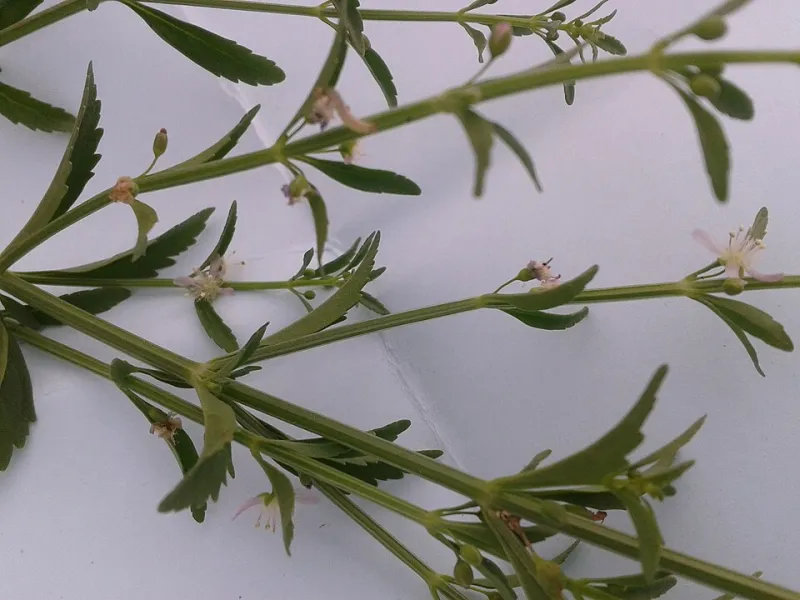
Photo: Yann (talk), CC BY-SA 4.0, via Wikimedia Commons
There's a version of Goa you see on Instagram: beach shacks, sunset cocktails, hammocks strung between palms. And then there's the version you meet at 5:40 a.m. outside a small temple in the hills above Ponda, when an 68-year-old man named Pandurang unlocks a rusted gate, picks up a broom made from the midrib of a coconut frond, and begins his day.
He's been doing this for forty years. Same gate. Same broom. Same patch of earth.
The Sweep Before the Sun
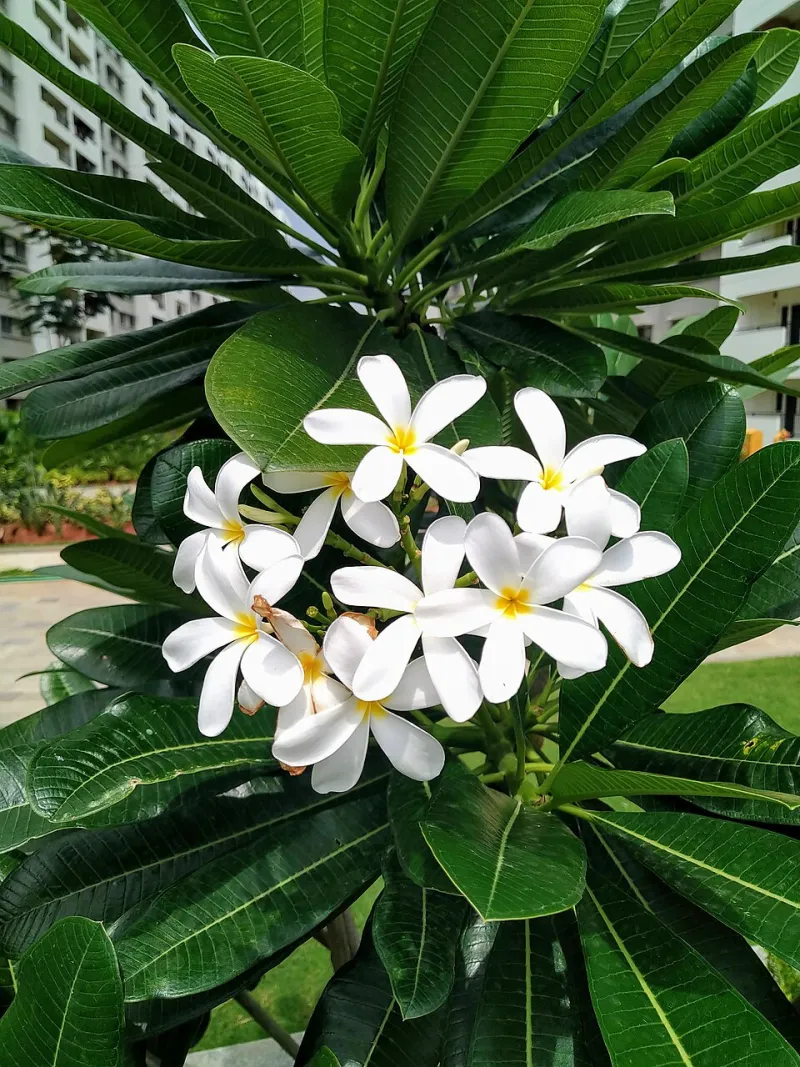
Pandurang doesn't wear a watch, but his body clearly keeps one. He sweeps the stone courtyard before the first light touches the frangipani tree, working in long, unhurried strokes that push fallen blossoms toward a corner — never into a pile, exactly, more like a soft drift. Later, the temple priest will scatter them at the base of the tulsi plant.
"Nothing from the garden leaves the garden," he told me, through our guide translating. "The flowers fall, the flowers return."
It's a small sentence with a big philosophy inside it. In the US, we'd call it closed-loop landscaping. Pandurang just calls it the job.
Knowledge You Can't Google
I asked him how he knows when the jackfruit tree needs water. He looked at me the way a mechanic looks when you ask how he knows a car is about to fail.
"The leaves tell you," he said. "They hang differently when they're thirsty. You have to look at them every day. Every single day."
There's no soil moisture meter in Pandurang's toolkit. No app. What he has is four decades of accumulated observation — the kind of oral, hand-me-down horticultural knowledge that doesn't appear in any extension service pamphlet. He learned it from the groundskeeper before him, who learned it from the one before that.
He pointed out a hibiscus that only blooms red near the shrine and pale pink on the far side of the courtyard — something about the light, he thinks. He showed me the neem tree whose roots, he insists, keep the mosquitoes down near the entrance. Whether the science fully backs him up is almost beside the point. The garden works. It has worked, quietly, for longer than I've been alive.
The Craft of Not Doing Too Much
American gardeners, myself included, tend to be fiddlers. We prune, we fertilize, we rearrange. Pandurang's approach is closer to restraint — almost a kind of editing.
"My teacher said: the garden knows what it wants to be. You only remove what blocks it."
He trims less than I expected. He waters less. He spends most of his morning simply walking the space, reading it — bending to check a leaf's underside, pressing a palm to the stone to feel last night's moisture. It struck me as less like landscaping and more like what a good hotel manager does: constant, invisible attention so that guests experience effortlessness.
Which, honestly, is exactly what travelers feel in these temple courtyards without knowing why. The serenity isn't accidental. It's maintained. Daily. By hand.
What He Wants You to Notice
I asked Pandurang what he wishes visitors understood about the garden. He thought for a long moment — the longest pause of our conversation.
"They take photos of the flowers," he said. "That's fine. But the garden is not for photos. It is for sitting. If someone sits under the frangipani for ten minutes and does nothing — then the garden has done its work."
So here's my suggestion for your next Goa itinerary: skip one beach morning. Find a temple courtyard — the smaller and quieter, the better — and if you're lucky, you'll spot someone like Pandurang moving through it. Give a nod. Then take his advice. Sit. Do nothing for ten minutes.
Somewhere, a man with a coconut-frond broom spent forty years making that moment possible.