Thirty Days in a Courtyard Room: The Quiet Choreography of the Goan Extended Stay
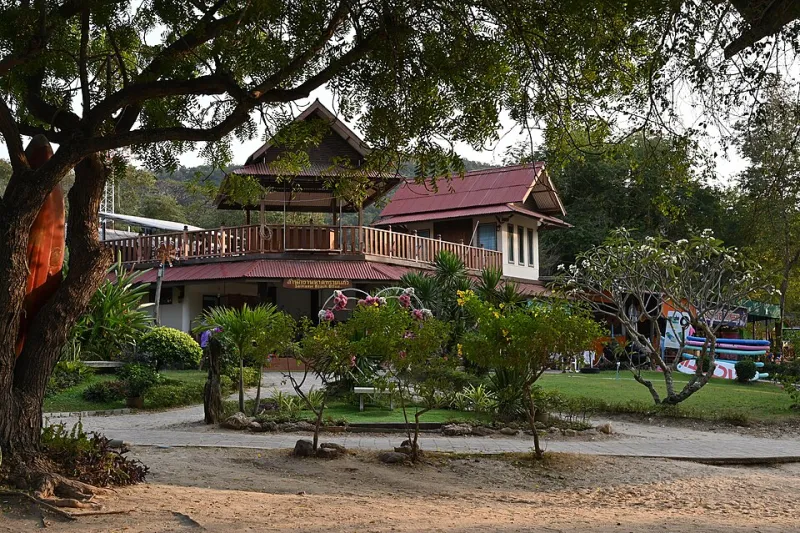
Photo: PattayaPatrol, CC BY-SA 4.0, via Wikimedia Commons
The email arrived on a Tuesday, three days before checkout: Any chance I could stay through the month?
The guest, a software project manager from Denver, had booked seven nights at our friend's guesthouse in Assagao the way most Americans do — as an escape hatch from a brutal winter, a garden-and-breakfast interlude between work sprints. But somewhere around day four, something shifted. The morning tulsi watering became his tulsi watering. The cook started saving him the tender ends of the ash gourd. He stopped checking the weather in Colorado.
He stayed six weeks. And the way it happened — the rate renegotiation, the role he grew into, the boundary the host had to draw — is a small masterclass in how extended stays actually work at a Goan garden retreat. If you've ever fantasized about stretching a vacation into a season, here's the honest playbook.
Why Americans Go Long in Goa
Ask around the courtyard tables of any guesthouse in Bardez or Aldona and you'll hear versions of the same story. The American long-stay guest usually didn't plan to become one. They came for ten days, then noticed something odd: their resting heart rate dropped. Their inbox felt optional. The 4 p.m. butterfly hour — the one we've written about before — started mattering more than any notification.
There's a structural reason, too. Remote work made the month-long stay possible for a huge swath of US professionals, and Goa's rhythm — what locals call susegad — is uniquely suited to it. A week of doing almost nothing can feel indulgent. A month of it starts to feel like a recalibration. One guest from Portland described the transition this way: "By week two, I stopped performing relaxation and just... relaxed."
The time zone helps, ironically. Goa runs nine and a half hours ahead of Eastern Time, which means a 6 a.m. garden walk can overlap perfectly with an evening US work call. The garden at dawn, laptop by the lotus pond at dusk.
The Money Conversation, Without the Sweating
Here's what nobody tells you: in Goa, asking for a long-stay rate is completely normal, and hosts expect it. The awkwardness is mostly in the American head.
The unwritten math looks something like this:
- Two to three weeks: expect roughly 15–25% off the nightly rate, especially outside December.
- One month or more: discounts of 30–50% are common at small guesthouses, often with meals folded in or a cooking arrangement offered.
- Shoulder season (June through September): monsoon rates are already lower, and hosts value a reliable guest through the rains. This is when the best deals happen.
A few phrases that work, learned from watching guests fumble and then succeed:
- "I love it here and I'm thinking of staying through the month. What would that look like rate-wise?" — Open, warm, invites the host to shape the offer.
- "Would you consider a monthly arrangement if I covered my own meals?" — Signals you've thought about their costs, not just your discount.
- "Is there anything I could help with in exchange for part of the stay?" — Only offer this if you mean it. See below.
What not to do: open with the discount before you've expressed any attachment to the place. Goan hosts, like most people, would rather feel chosen than haggled with. Lead with the relationship; the rate follows.
From Guest to Almost-Local
The best extended stays develop a shape. Around week two, the month-long guest stops being a visitor and becomes something closer to a slow-moving resident, and hosts typically lean into it rather than resist.
The Denver guest ended up with a gentle unofficial role: he fixed the guesthouse's booking spreadsheet, taught the owner's teenage son to skateboard, and became the person who told new arrivals where the bakery cart would stop. Nobody asked him to. It happened the way things happen in a garden — gradually, and then all at once.
But roles need boundaries, and this is where hosts get quietly skilled. The good ones keep a few things inviolable: the kitchen during family meals, the temple corner of the garden, the quiet hours after the oil lamps go out. A guest who waters plants daily is a gift; a guest who reorganizes the tool shed unasked is a problem. If you stay long, watch first, help second, and always ask before you improve anything.
The other boundary is emotional. A month in a serene place can make a guest feel like they've found a second home — and sometimes they want the host to feel the same intensity. They usually don't, at least not on your timeline. Leave that gracefully. The hosts remember the guests who didn't need to be told twice.
A Mini-Guide: Asking for the Month
If you're planning to try this yourself, here's the short version:
- Signal early. Mention a possible extension in your first few days, not at checkout. Hosts can plan around a known guest; they can't plan around a surprise.
- Name your dates firmly. "Through the 28th" lands better than "a while longer." Vagueness reads as risk.
- Ask about the shoulder season. If your schedule allows June or September, say so. Monsoon Goa is lush, cheap, and gloriously uncrowded.
- Clarify what's included. Laundry, meals, bicycle use, electricity during AC season — small things that matter over thirty days.
- Offer one skill, once. Photos, spreadsheets, English-language listing copy — a single genuine offer is charming. A resume is not.
- Pay some portion upfront. It converts a maybe into a plan, and hosts reward certainty.
When the Month Ends
The Denver guest's last morning looked like every other one — tulsi watering, bakery cart, the courtyard still cool from the night. He'd booked his return flight from the same hammock where he'd booked the extension. At the gate, the owner pressed a small clay pot into his hands: a tulsi seedling's descendants, second generation.
That's the thing about the extended stay. You arrive trying to buy time and leave having been given some back. Ask for the month. The garden, it turns out, is very good at absorbing one more person.